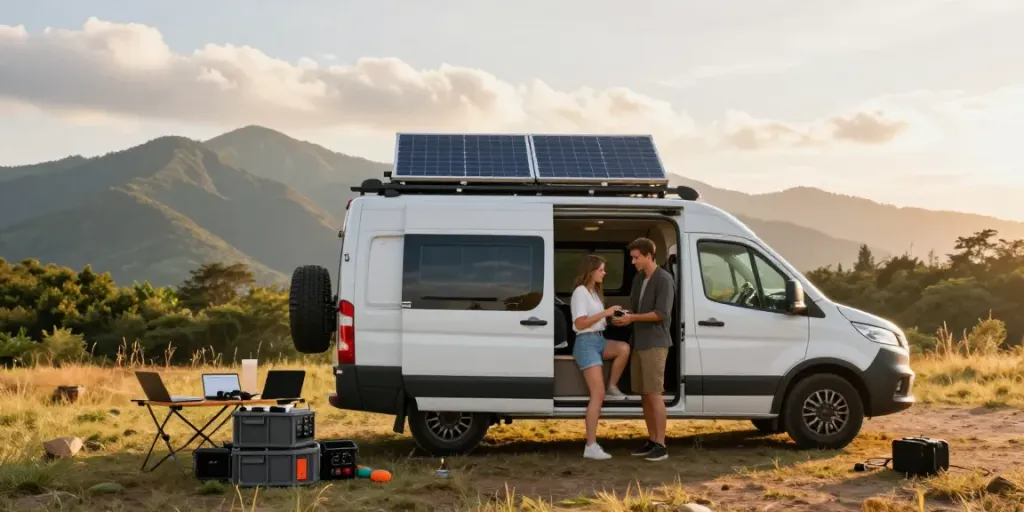
Understanding Van Conversion Electrics
Van life represents a growing movement towards freedom and adventure, but to fully embrace this lifestyle, understanding the electrics that power your campervan is essential. A campervan's electric system is not just a convenience; it is the backbone of your mobile living space, allowing for comfortable stays off the grid. This guide will delve into the essential components of van electrics, including batteries, solar energy, and wiring, helping you make informed decisions about your van conversion.
For those looking to dive deeper into the world of van life and electrics, rokok88 offers a wealth of resources that can help you navigate your journey.
What is a Camper Van Electric System?
A camper van electric system is a network of various components that provide power for lighting, refrigeration, fans, and other electric devices within your van. At its core, this system includes batteries for energy storage, solar panels for harnessing sunlight, and wiring for efficient power distribution. Understanding how these elements work together is critical for successful installation and operation.
Key Components: Batteries, Solar Panels, and Wiring
- Batteries: They store the energy generated from solar panels or an external source. Choosing the right battery type and size is crucial for your power needs.
- Solar Panels: These convert sunlight into electricity and can significantly reduce reliance on shore power.
- Wiring: Proper wiring ensures safe and efficient energy distribution throughout your van, preventing potential hazards.
Common Misconceptions About Van Electrics
One of the most common misconceptions is that all camper van electrics are the same. In reality, the power requirements can vary significantly based on your lifestyle and the appliances you plan to use. Another myth is that solar panels are only effective in sunny areas; however, they can still generate power on cloudy days, albeit in smaller amounts. It’s crucial to tailor your system to your specific needs and environment.
Choosing the Right Battery Size for Your Van
Selecting the appropriate battery size is fundamental for ensuring that your electric system meets your daily power requirements without straining. An oversized or undersized battery can lead to inefficiencies and potential damage.
Factors to Consider When Sizing Your Battery
When determining the right battery size for your camper van, consider the following factors:
- Daily Power Consumption: Calculate the total watt-hours (Wh) required for all your devices and appliances.
- Battery Type: Lithium batteries generally provide more capacity and longer lifespan compared to lead-acid batteries.
- Temperature Variations: Temperature can affect battery performance, especially for lead-acid batteries.
Comparing Lithium and Lead-Acid Batteries
Lithium batteries, although more expensive upfront, offer several advantages over lead-acid batteries, including a longer lifespan, lighter weight, and deeper discharge capabilities. Conversely, lead-acid batteries can be a cost-effective solution for those on a tighter budget but may require more frequent replacement and maintenance.
Real-World Examples of Battery Configurations
For example, a typical setup for a small camper van might include a 100Ah lithium battery paired with 200W solar panels. In contrast, a larger van outfitted with multiple appliances like a fridge and induction cooktop may require a configuration of two 200Ah lead-acid batteries supplemented by a significant solar array to ensure sufficient power supply.
Solar Energy Considerations for Van Life
Integrating solar energy into your campervan electrics not only offers cost savings but also promotes a sustainable lifestyle while on the road. Understanding how to effectively harness solar power can make your adventures limitless.
Selecting the Best Solar Panels for Your Setup
The choice of solar panels can significantly affect your energy output and charging times. Consider factors such as the efficiency rating, size, and weight of the panels, as well as their compatibility with your battery system. Monocrystalline panels tend to be more efficient but can be more expensive than their polycrystalline counterparts.
Using the Campervan Solar Calculator Effectively
Utilizing a solar calculator can simplify the process of choosing the right amount of solar power needed for your van. By inputting your daily energy consumption and sunlight availability, you can determine the number and size of solar panels required to meet your needs efficiently.
Future Trends in Solar Technology for Vans (2026 and Beyond)
As is evident, solar technology continues to evolve, making it imperative to stay updated on innovations. Future trends may include more efficient solar cells, flexible solar panels that adhere to various surfaces, and integrated battery systems that optimize solar energy usage.
Wiring Essentials for a Safe and Efficient Setup
The wiring of your camper van is where functionality meets safety. Proper wiring ensures that your electric system operates smoothly and reduces the risk of electrical fires and equipment failure.
Best Practices for Van Wiring
When wiring your campervan, adhere to best practices such as:
- Use High-Quality Materials: Invest in quality wires and connectors that can withstand the rigors of the road.
- Color-Coding: Utilize color-coded wires for easy identification and troubleshooting.
- Fuses and Breakers: Incorporate fuses and circuit breakers to protect your system from overloads.
Avoiding Common Wiring Mistakes
Avoid common wiring errors such as under-sizing wires, which can lead to overheating, and failing to secure connections properly, which may result in shorts. Always double-check your wiring before testing your system.
Tools and Materials Needed for Wiring
Essential tools for wiring include a wire stripper, crimping tool, multimeter, and terminal connectors. Having these tools on hand will help streamline your installation process and ensure a professional-quality setup.
Insulation and Its Role in Camper Van Conversions
Insulation is often overlooked but plays a crucial role in your camper van's comfort and efficiency. Proper insulation can help regulate temperature, reduce noise, and enhance energy efficiency, making it a critical component of your conversion.
Why Insulation is Crucial for Comfort
Insulation helps keep your van warm in winter and cool in summer, enhancing your overall comfort while living in the van. Without adequate insulation, you may find it difficult to maintain a stable and comfortable environment, leading to increased energy consumption.
Types of Insulation and Their Benefits
Several insulation options are available, including:
- Foam Board: Provides excellent thermal resistance and is easy to install.
- Spray Foam: Offers superior insulation and air sealant properties but can be more expensive.
- Reflective Insulation: Works best in hot climates, reflecting radiant heat away from the interior.
Step-by-Step Guide to Insulating Your Van
To insulate your van effectively, follow these steps:
- Remove all existing interior panels and assess the van’s structure.
- Measure and cut insulation material to fit snugly into cavities.
- Secure the insulation in place and re-install your interior panels.
What are the basic requirements for a van electric system?
A basic van electric system should include a power source (battery), a means of generating electricity (solar panels or an alternator), a way to store electricity (this can be additional batteries), and a network of wiring to distribute power efficiently to various devices.
How do I calculate my solar power needs for a camper?
To calculate your solar power needs, first determine your total daily watt-hours consumed, then divide it by the number of peak sunlight hours you expect to receive in a day. This calculation will guide you in selecting the appropriate solar panel size.
What tools do I need for camper van electrics installation?
Essential tools for installing camper van electrics include wire strippers, crimpers, a multimeter, screwdrivers, and safety gear such as gloves and goggles.
Are there specific wiring standards I should follow?
Yes, follow the National Electrical Code (NEC) standards and any local regulations applicable to vehicle electrical systems to ensure safety and compliance.
What are the latest innovations in camper van electrics?
Recent innovations might include smart battery management systems that optimize power usage, charging stations with advanced solar technology, and wireless charging systems that simplify device power without cumbersome cables.